
Beginner French Course: A Step-by-Step Learning Plan


Why Learn French?
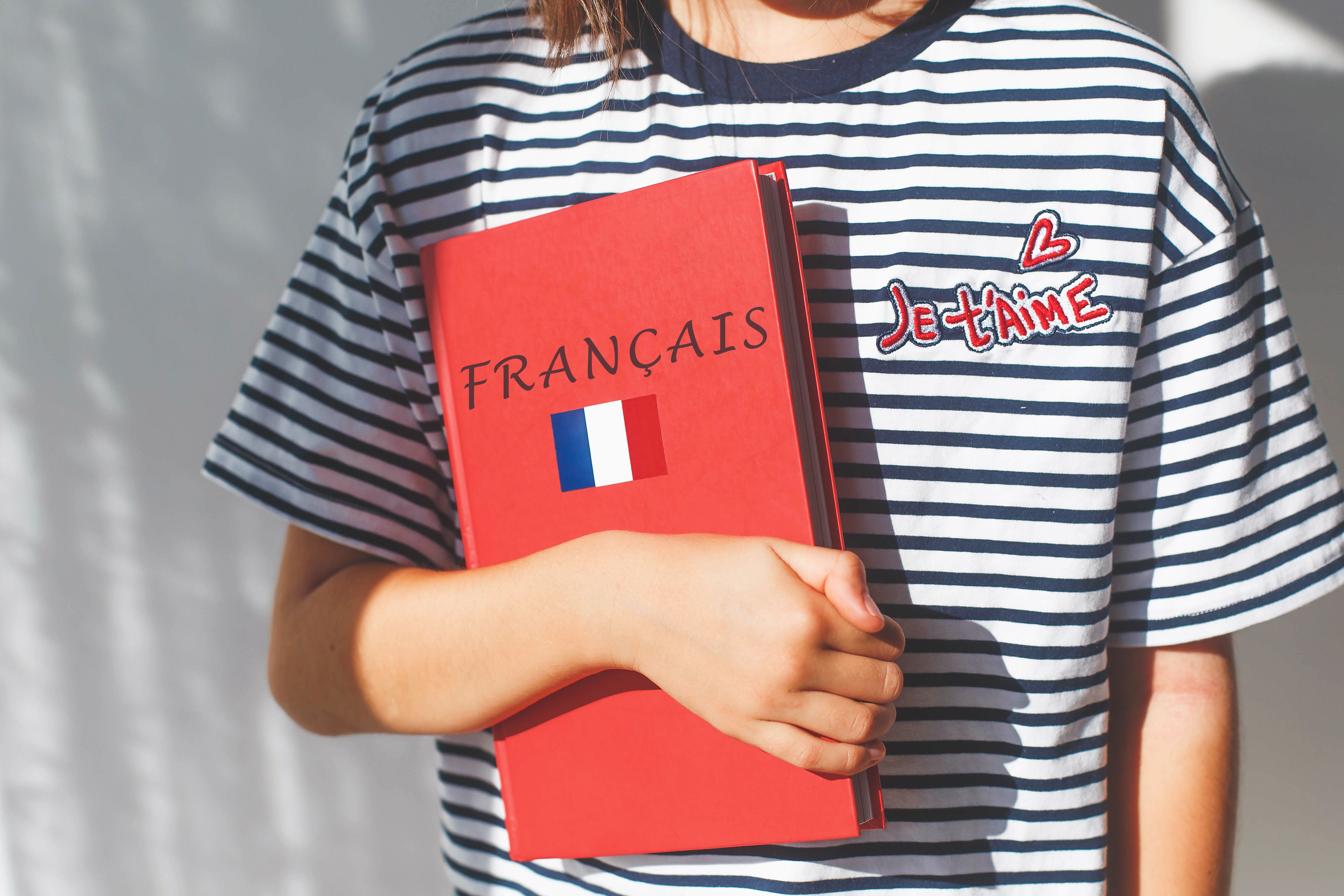
French is a beautiful and globally significant language. Spoken by over 275 million people worldwide, it opens doors to diverse cultures and opportunities. Whether you are planning to travel, work, or simply expand your linguistic skills, learning French can be incredibly rewarding.
Starting with a beginner French course is an ideal way to build a strong foundation. The structured approach helps learners grasp essential concepts and vocabulary effectively. In this blog post, we'll outline a step-by-step learning plan to guide you through your French language journey.
Setting Clear Goals
Before diving into learning, it's crucial to establish clear goals. Ask yourself why you want to learn French. Is it for travel, work, or personal growth? Setting specific objectives will keep you motivated and focused throughout the learning process.
Once you've defined your goals, create a timeline. Decide how much time you can dedicate to studying each week. Consistency is key, so aim for regular, manageable study sessions rather than cramming.
Resources and Tools
Equipping yourself with the right resources can significantly enhance your learning experience. Consider the following tools:
- Textbooks: Choose a beginner-friendly textbook that suits your learning style.
- Apps: Language learning apps like Duolingo or Babbel can be great for quick daily practice.
- Online Courses: Enroll in a structured online course for guided learning.
Building Vocabulary
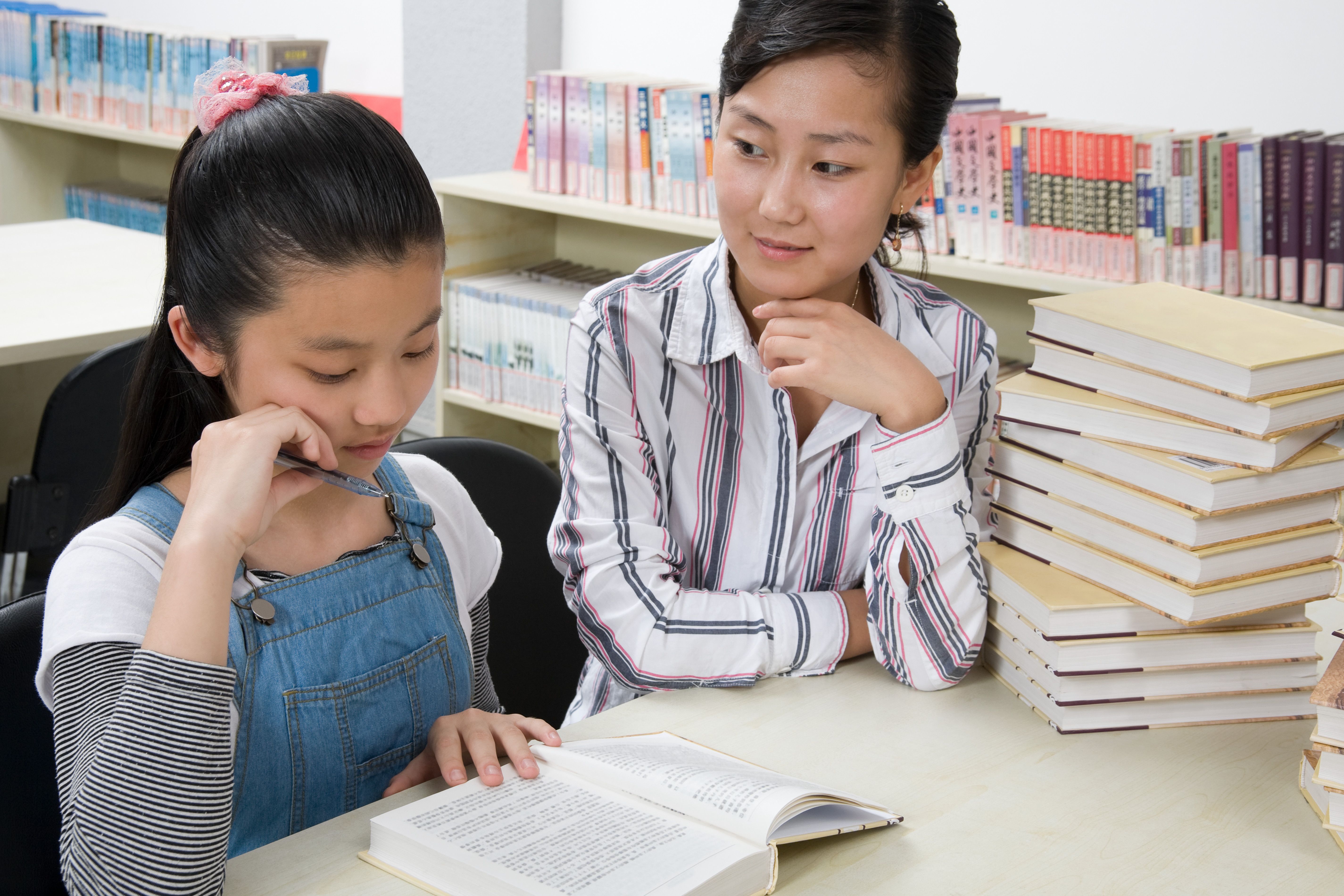
Building a solid vocabulary is essential for effective communication. Start with common phrases and everyday words. Flashcards can be a helpful tool for memorization. Labeling household items with their French names is another practical technique to reinforce learning.
Consider dedicating a portion of your study time to learning new vocabulary. Aim for a balance between nouns, verbs, and adjectives to create well-rounded sentences.
Practicing Pronunciation
French pronunciation can be challenging for beginners, but regular practice will lead to improvement. Utilize language apps with pronunciation guides and listen to native speakers through podcasts or videos.
Record yourself speaking and compare it with native speakers. This self-assessment will help you identify areas for improvement and build confidence in your speaking abilities.
Engaging with Native Speakers
Interacting with native French speakers is one of the most effective ways to enhance your language skills. Consider joining language exchange groups or online communities where you can practice speaking and listening.
Immersion experiences, such as traveling to a French-speaking country or participating in cultural events, can also provide valuable practice and exposure to the language.
Review and Reflect
Regularly reviewing and reflecting on your progress is crucial. Set aside time each week to review what you've learned, identify areas of difficulty, and celebrate your achievements.
Keeping a journal in French can be a fun way to track your progress and practice writing. Reflect on your learning journey to stay motivated and committed to your goals.
Conclusion
Learning French as a beginner is an exciting journey that requires dedication and persistence. By setting clear goals, utilizing effective resources, and engaging with the language actively, you'll be well on your way to mastering French.
Remember, every step forward, no matter how small, is progress. Embrace the learning process and enjoy the cultural richness that comes with speaking French. Bonne chance!