
Expert Tips: Mastering French Pronunciation as an English Speaker


Understanding the Basics of French Pronunciation
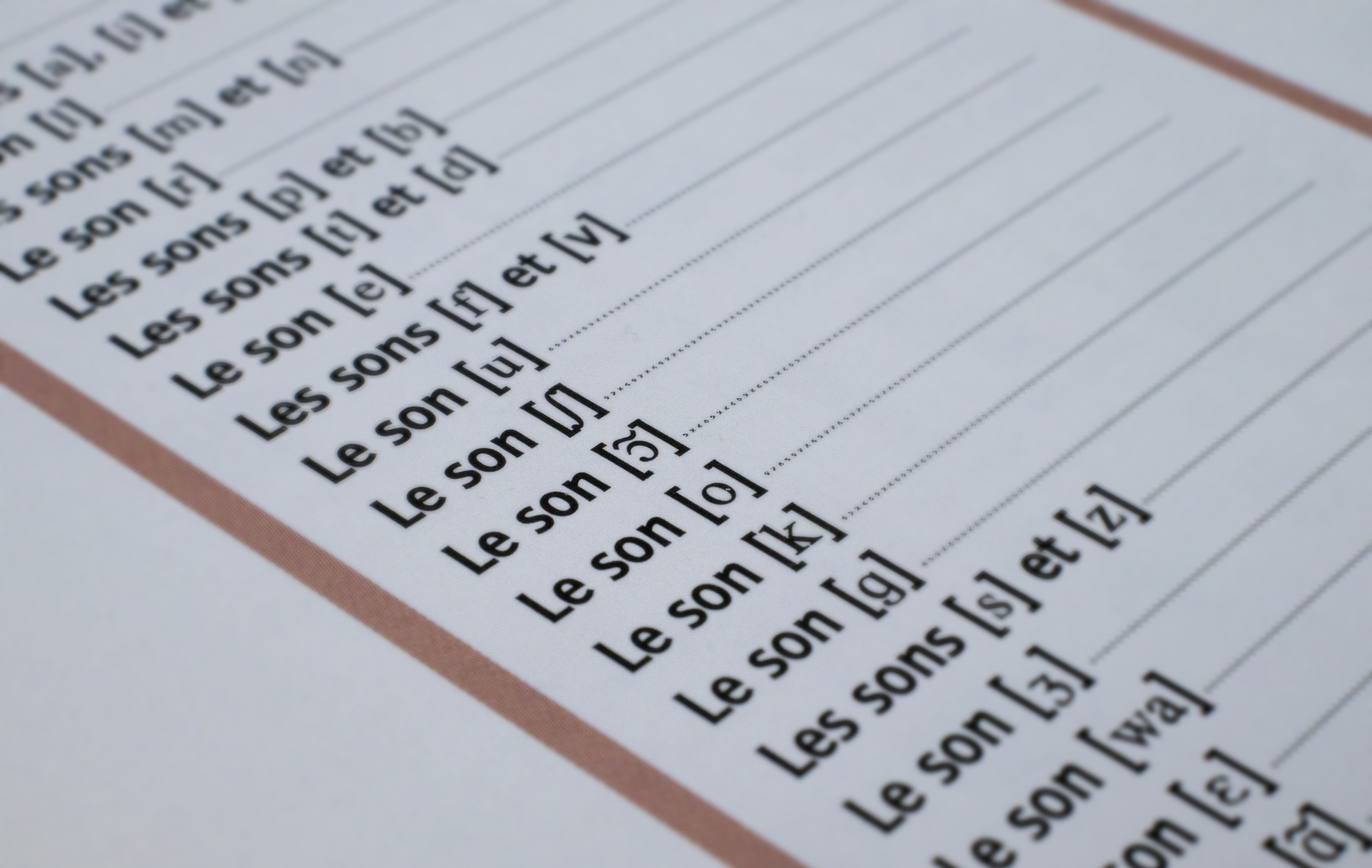
Mastering French pronunciation can be challenging for English speakers due to the unique sounds and accents in the French language. One of the first steps is to familiarize yourself with the French alphabet and its phonetic sounds. Unlike English, many French letters and letter combinations have specific sounds that can be quite different from their English counterparts.
Pay special attention to nasal sounds, which are common in French. These sounds occur when air escapes through the nose and mouth, such as in the words "bon" and "sans." Additionally, the French "r" is pronounced from the back of the throat, which can take some practice to perfect.
The Art of Silent Letters
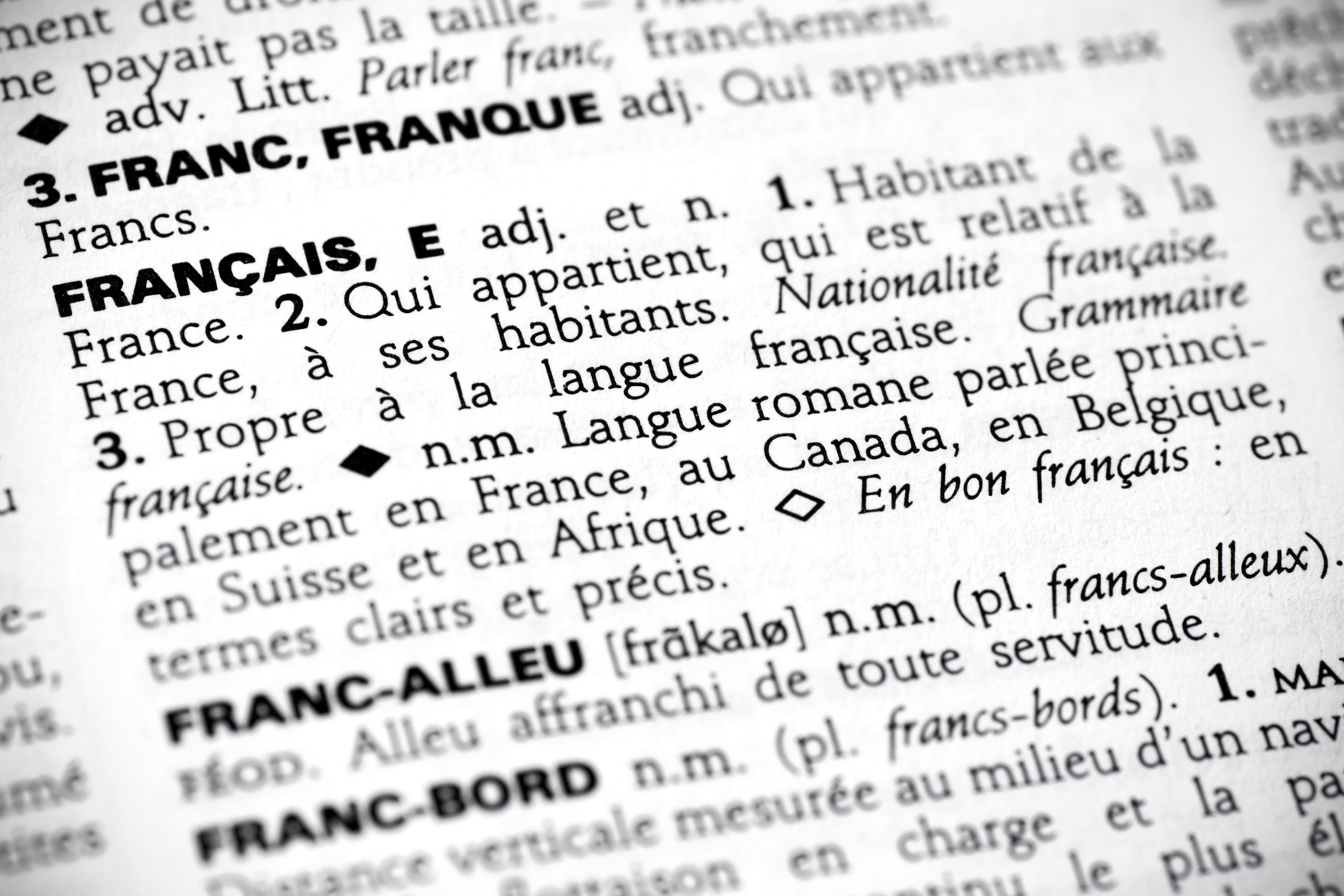
An essential aspect of French pronunciation is understanding silent letters. In many French words, certain letters are not pronounced. For instance, in the word "ballet," the final "t" is silent. Becoming familiar with common patterns of silent letters can significantly improve your spoken French.
To master these silent letters, listen to native speakers and try to mimic their pronunciation. French audio resources, such as podcasts and language apps, can be invaluable tools in this learning process.
Focusing on Vowel Sounds
Vowel sounds in French can be quite distinct from those in English. The French language includes several vowel sounds that do not exist in English, such as "eu" and "ou." To master these, practice with words like "peur" and "fou." Pay attention to the lip shape and tongue position while pronouncing these vowels.

Another important tip is to listen to French music or watch French films. This exposure will help you get accustomed to the flow and sound of the language, which can aid in your pronunciation practice.
Consonant Challenges
While vowels can be tricky, French consonants also present their own set of challenges. The French "g" and "j" sounds, for example, can be difficult for English speakers. Practice words like "gâteau" and "jeune" to get these sounds right.
It's also important to note the difference between voiced and unvoiced consonants. In French, these distinctions can change the meaning of words, so precise pronunciation is crucial.
Emphasizing Intonation and Rhythm
Intonation and rhythm in French are different from English. French tends to have a more even intonation pattern, with less variation in pitch. Practice speaking in a more monotone manner compared to English to capture the right rhythm.
Engaging with native speakers through language exchange platforms can provide real-world practice and feedback. This interaction can be one of the most effective ways to refine your pronunciation skills.
Utilizing Technology for Improvement
Today, numerous apps and online platforms can assist in improving your French pronunciation. Tools like pronunciation guides and speech recognition software offer instant feedback, helping you adjust your speaking habits.
Consider using these technologies alongside traditional methods like reading aloud and shadowing native speakers. Combining technology with consistent practice will accelerate your progress in mastering French pronunciation.