
Top Tips for Spanish Speakers Learning French: A Comprehensive Guide


Understanding Similarities and Differences
For Spanish speakers, learning French can be an exciting journey due to the similarities between the two languages. Both are Romance languages, sharing Latin roots, which means you'll find a lot of cognates, or words that look and sound similar. However, differences in pronunciation and grammar can pose challenges.
One of the first steps in mastering French is recognizing these similarities and differences. This awareness can help you anticipate pitfalls and make the learning process smoother. For instance, while vocabulary might be familiar, pronunciation rules are distinct, which requires focused practice.

Mastering Pronunciation
French pronunciation can be tricky for Spanish speakers. French has more nasal sounds, which may take some getting used to. Practicing regularly with native speakers or using language apps that provide pronunciation feedback can be beneficial.
Consider using resources like YouTube or language exchange platforms to hear real-life pronunciation. Mimicking native speakers will help you improve your accent and fluency. Pay particular attention to vowel sounds and silent letters, which are more prevalent in French than in Spanish.
Using Cognates to Your Advantage
As mentioned earlier, cognates are a great asset. Words like "important" (important in French and Spanish) and "animal" (animal in both) make vocabulary acquisition easier. However, be cautious of false friends—words that look similar but have different meanings. For example, "embarazada" in Spanish means pregnant, while "embarrassée" in French means embarrassed.
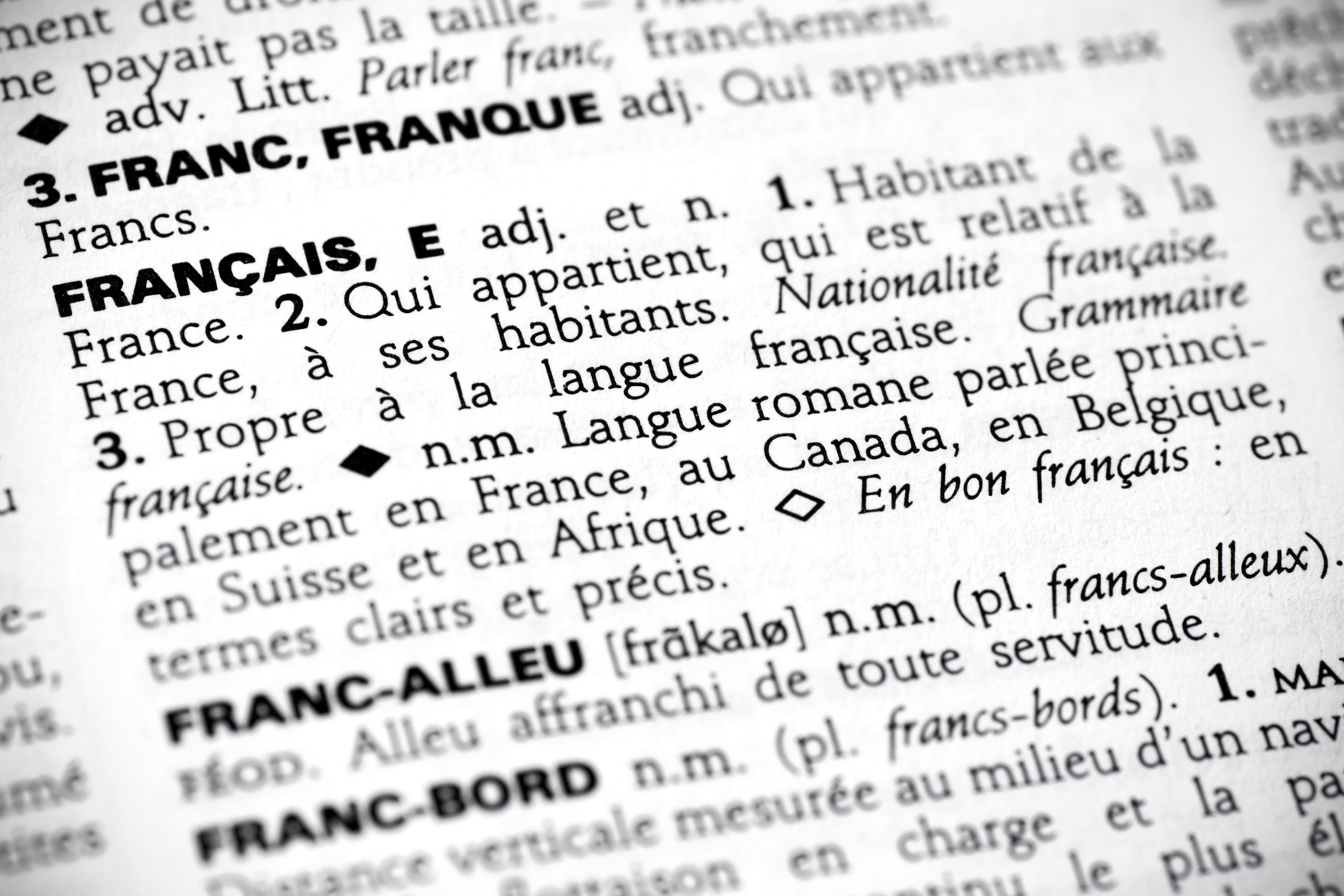
Embracing French Grammar
While Spanish and French share some grammatical structures, French has its unique intricacies. Pay attention to gendered nouns, verb conjugations, and adjective agreements. Regular practice and exercises can help reinforce these concepts.
Consider using grammar workbooks or online exercises specifically designed for Spanish speakers learning French. They often highlight common errors and provide exercises tailored to your native language's perspective.
Building a Consistent Practice Routine
Consistency is key in language learning. Dedicate a specific time each day to practice. Whether it’s through reading, writing, or speaking, frequent exposure will boost your retention and fluency. Use language learning apps to reinforce daily practice.

Engaging with French Culture
Immersing yourself in French culture can make learning more enjoyable and effective. Watch French films, listen to French music, or read French literature. This not only improves language skills but also deepens your understanding of cultural nuances.
Consider joining local French cultural groups or online communities to connect with other learners and native speakers. Engaging with a community keeps motivation high and provides opportunities for real-life practice.
Setting Realistic Goals
Set achievable goals to keep track of your progress. Whether it's mastering a particular set of vocabulary or being able to hold a conversation for a specific length of time, having clear objectives ensures steady improvement.
Celebrate small victories along the way. Each milestone reached is a step closer to fluency, and acknowledging them can boost your confidence and motivation to continue learning.